
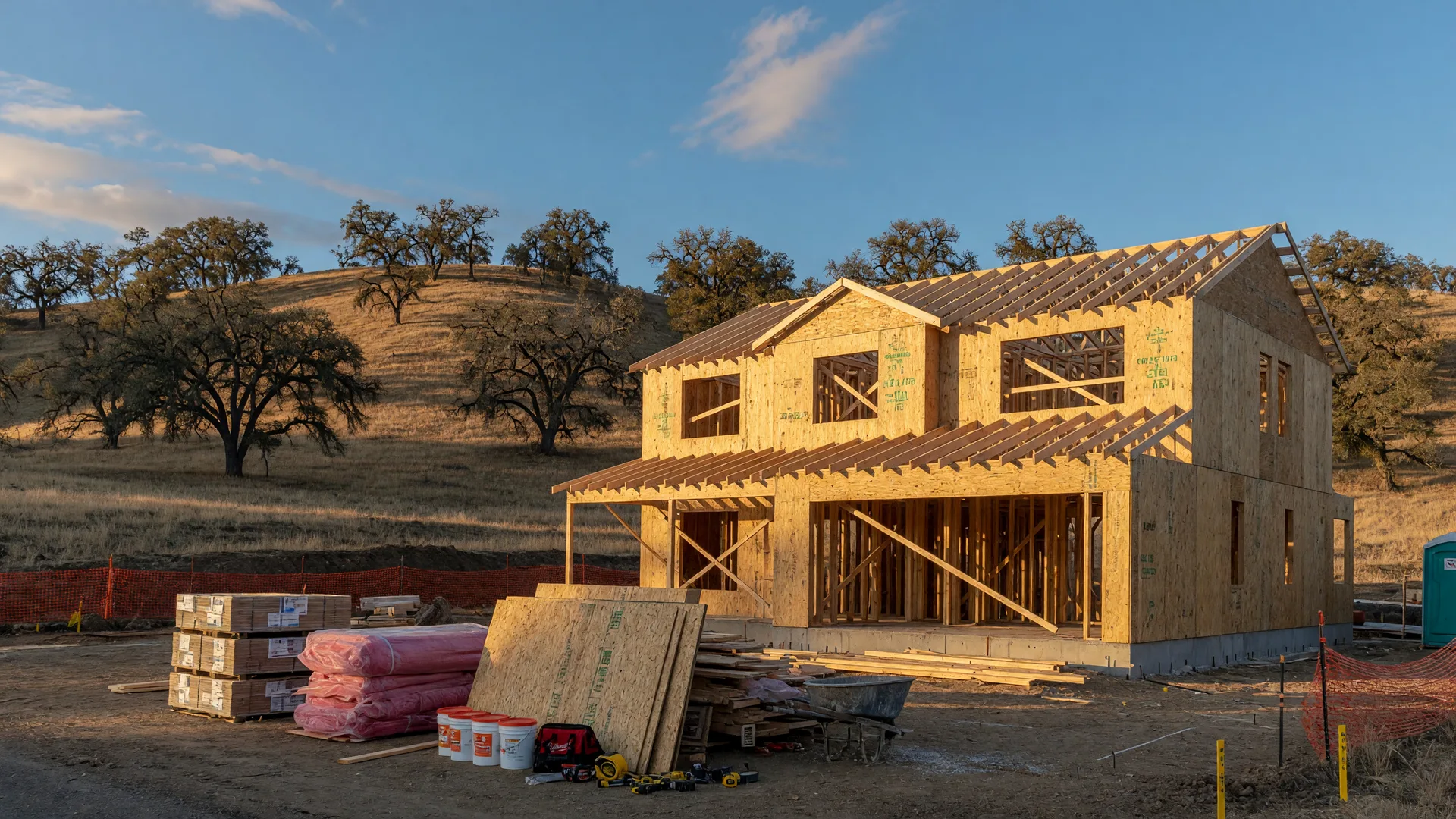
The sticker price on a new home in Southern Oregon is rarely the number you actually bring to closing. Between a better lot, the upgrade you fall in love with at the design center, and the development fees cities charge, the real cost can run thousands above the base price you see online. Here is what I walk every new construction buyer through, so you can budget with your eyes open.
The good news is that none of this is a mystery once you know what to look for. The builders I work with across Medford, Grants Pass, Eagle Point, and Central Point are straightforward about their numbers when you ask the right questions. My job is to help you ask them, compare apples to apples, and avoid the surprise that comes from quoting a community by its lowest base price alone.
The base price is just the beginning
When a builder advertises a community, the number you see is almost always the base price on the most affordable plan and lot in the lineup. That is a real home and a real starting point, but it is rarely the exact configuration buyers end up with. Every home in a community sits on its own lot, and lots are not all priced the same.
Two buyers can choose the same floor plan in the same community and end up with noticeably different totals simply because one lot is a corner, a view lot, or a larger homesite than the other. That difference is the lot premium, and it is one of the first costs to understand before you start comparing communities against each other.
Lot premiums add up before you customize anything
A lot premium is the extra charge a builder adds for a homesite that is genuinely better: a view of the hills, a larger yard, a corner position with more light, or a quieter spot at the end of the street. These premiums are published on the community's price sheet, and they can be modest or substantial depending on how desirable the lot is.
This is why I always tell buyers to compare communities the same way: the same floor plan, the same finish level, and the lot premium included. A community with a lower base price but a heavy premium on its better lots may not be the bargain it first appears, while a slightly higher base with more lots included can be the better value. The lot you choose is a real part of the math, not an afterthought.
Upgrades turn the base price into the real price
Then comes the design center, where the base finishes meet your taste. Flooring, cabinets, countertops, appliances, lighting, and fixtures all have a standard version and a long list of upgraded versions, and each one carries a price. It is easy for selections to add tens of thousands of dollars without any single line item feeling outrageous.
That is not a warning against upgrades, some are genuinely worth it for the way you will live in the home. It is a reminder to go in with a selections budget before you sit down, and to get the itemized sheet so you can see exactly where the money goes. Know which items are included in the base price and which are always extra, and it becomes much easier to make confident choices.
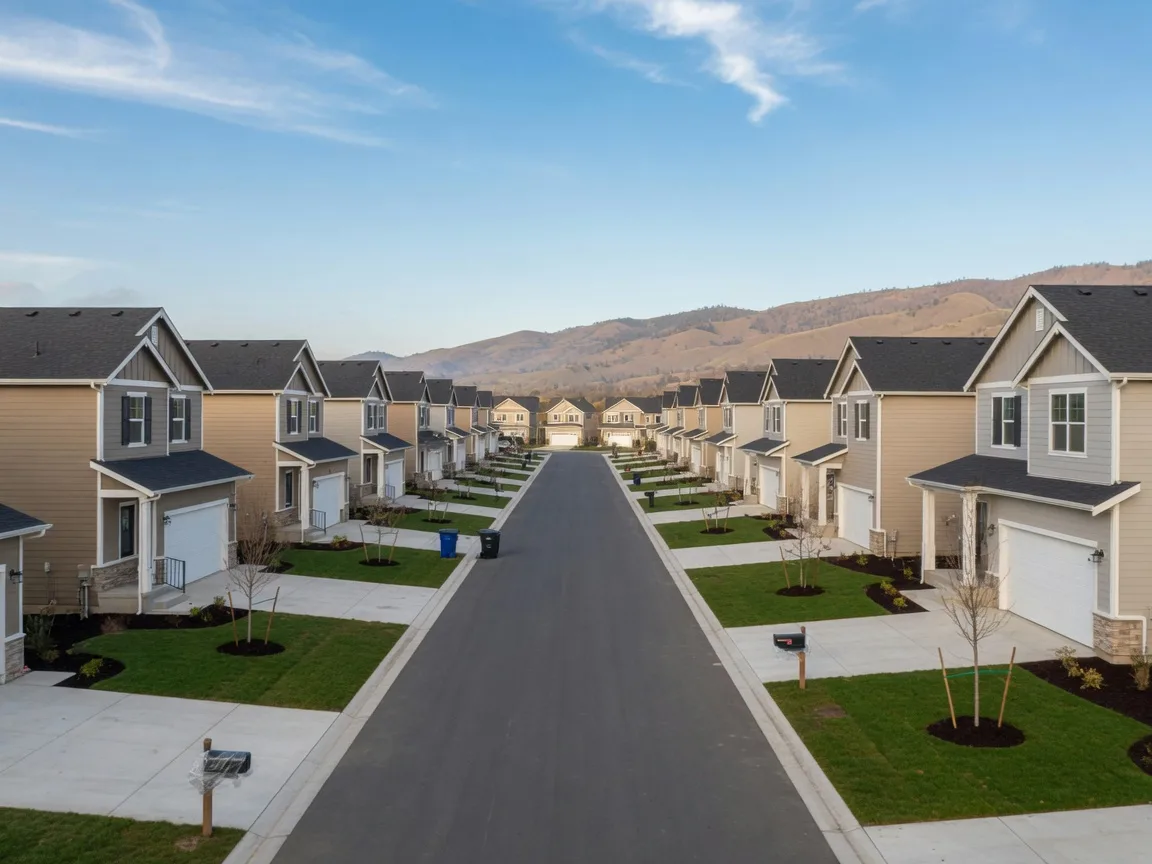
System development charges are the part nobody advertises
System development charges, often called SDCs, are the fees cities charge new construction to help pay for the roads, water, sewer, storm systems, and parks the new home will use. They are a real and often significant part of the cost of a new build, and they are typically passed through to the buyer.
A 2022 statewide study from Oregon Housing and Community Services found that system development charges average about $15,000 to $16,000 per new unit and can reach roughly $50,000, making up anywhere from about 2% to 13% of total development cost. Those are big ranges because every city sets its own fees, and Southern Oregon is no exception.
To make it concrete, in Grants Pass a 1,500 square foot, three-bedroom, two-bath new home carried about $2,503 in building permit fees, plus a parks system development charge of roughly $1,097 and a transportation system development charge of about $1,403, before the storm drain, water, and wastewater charges on top. In Medford, the per-lot system development charge for a small single-family subdivision runs about $985 a lot. Some builders fold these into the advertised price and some quote them separately, so it is worth asking exactly how the fees are handled before you compare two communities.
New state rules are nudging costs in the right direction
Oregon has been working to take some pressure off the cost and timeline of building. The state's 2026 housing omnibus, House Bill 4037, signed in April 2026, expands the list of one- and two-family homes exempt from mandatory state plan review and lets cities and counties finance certain development costs, including system development charges, through the state's affordable housing revolving loan program.
The direction is toward shorter review timelines and lower builder costs, which can help keep prices in check over time. Those savings are not guaranteed to show up in the sticker price right away, and every builder and city passes things through a little differently, but it is a helpful backdrop when you are planning a purchase in 2026 and beyond.
What it works out to per square foot
Published estimates put the cost to build in the Medford area at roughly $120 to $230 per square foot depending on finish level, with standard-grade construction around $120 to $150 per square foot and premium finishes around $150 to $190, before land and sitework. The same sources suggest the average new construction home price in Medford's main ZIP codes lands in the roughly $444,000 to $517,000 range.
Treat these as ballpark figures that move with the market, not guarantees. What they are useful for is a reality check: when you compare a quoted price against the square footage and finish level, you can tell whether a community is priced fairly and where your selections will land. The number that matters most is the all-in, out-the-door total, not the per-square-foot average.
How to budget for the real cost of new construction
A few habits I encourage with every new construction buyer in Southern Oregon:
- Ask for the itemized breakdown in writing. Base price, lot premium, every selection, and every fee and system development charge. Then ask the builder for the total out-the-door number so there are no line items left to discover later.
- Compare all-in pricing, not base prices. A lower base with a big lot premium and high fees can cost more than a higher base with everything included. Put the same plan and same finish level side by side and the honest comparison is easy.
- Ask how system development charges and permit fees are handled. Whether they are folded into the price or added on top changes the number you need to plan for, and it is a fair question for any builder.
- Ask about builder incentives. In the current market, builders sometimes offer rate buydowns or closing cost credits that can offset a meaningful chunk of your fees. It never hurts to ask what is on the table for the community you like.
- Keep room in your budget for what the builder does not include. Landscaping, window coverings, and some appliances are often extra. A realistic moving-in budget covers those before you sign, not after.
None of this should discourage you from buying new construction. In fact, understanding the full picture is exactly what makes a new build such a great value: you know every dollar you are spending and what you are getting for it. For the rest of the process, from contract to closing, my step-by-step buying process guide walks through what to expect, and if financing is part of your plan, my down payment assistance guide covers the options available to qualified buyers.
Let me help you compare the real cost across communities
I compare new construction communities across the Rogue Valley every day, and I know how to read past the base price to the real number. Whether you want to weigh lot premiums in Medford, understand fees in Grants Pass, or see how a community's all-in pricing fits your budget, I would love to help you line it up. Reach out and let's do the math together.

Lisa Sears, REALTOR, eXp Luxury
Serving Southern Oregon