
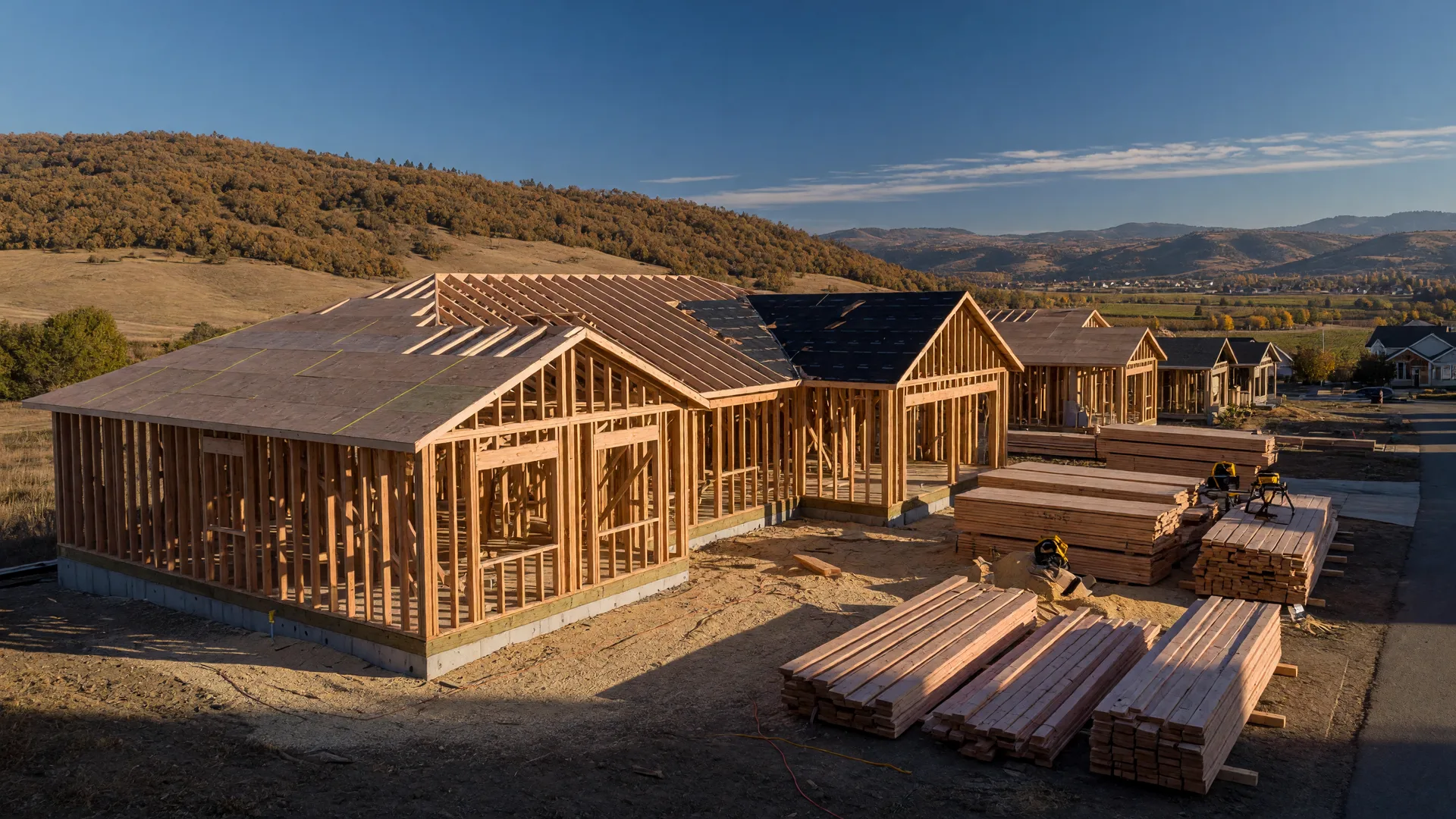
Every new construction home in Oregon passes a series of staged building inspections before its first resident walks through the door. Local building departments check the house against the Oregon Residential Specialty Code at fixed milestones, from the footing to the final approval, and a certificate of occupancy is required before anyone can move in. Here is what actually gets inspected in Medford, Grants Pass, Eagle Point, and Jacksonville, why many buyers still pay for an independent inspector on top of those checks, and how to time it so nothing important gets covered up before anyone sees it.
The short version: city and county inspections verify that a new home meets minimum code at key moments, not that every detail of the finished house is right. A private, Oregon-certified home inspector adds an independent set of eyes at the moments that matter most, before the walls close in and before you close. That combination, the official approvals plus your own inspector, is the strongest protection a new construction buyer can set up.
What Oregon code requires at every stage of construction
New single-family homes in Oregon are built under the Oregon Residential Specialty Code, and Section R109 of that code spells out the staged inspections a building department must approve as construction moves forward. The permit holder, normally the builder, requests each one, and the work cannot move past a stage until it is approved.
- Footing. The footing inspection happens after the forms and reinforcing steel are in place but before concrete is poured, so the inspector sees the actual bones of the foundation.
- Foundation. The foundation inspection covers the concrete stem walls and related work before they are finished and backfilled.
- Underfloor and post-and-beam. This check covers the structural framing beneath the house, plus the plumbing and mechanical lines that run under the floor.
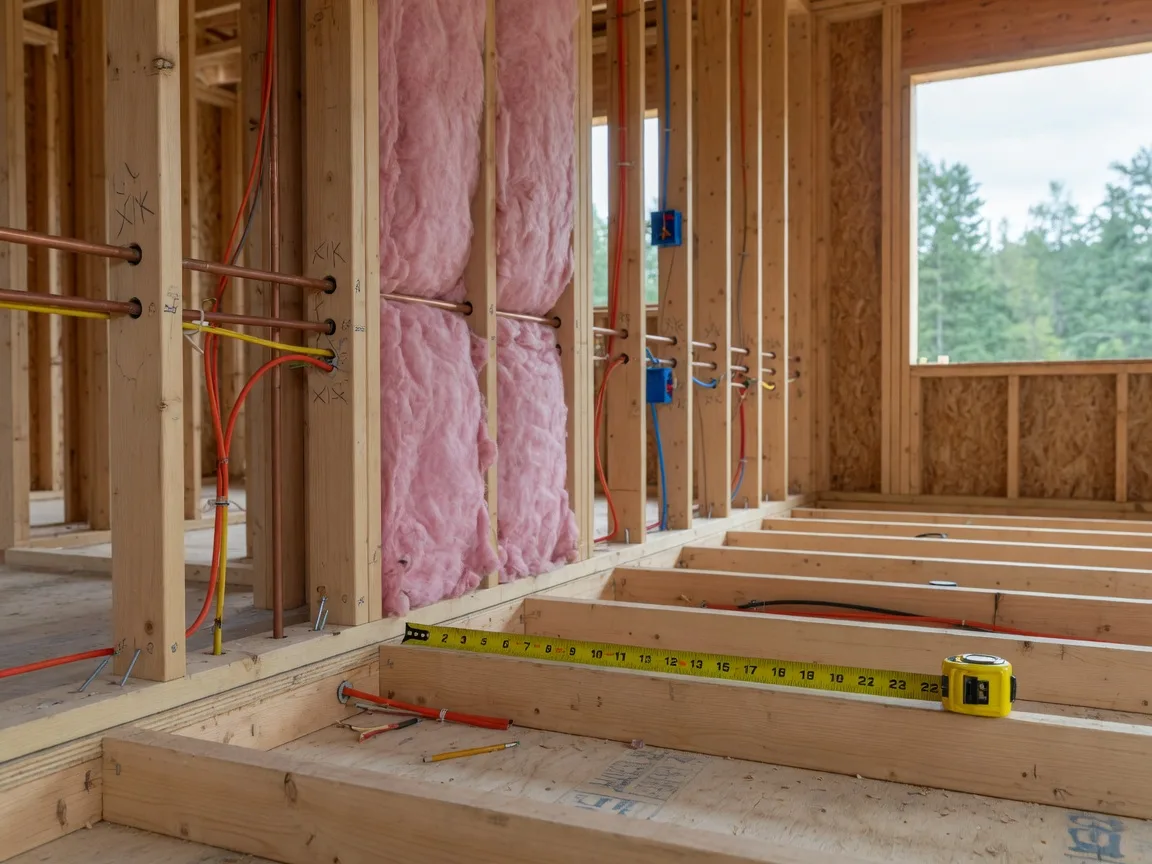
- Rough-in. Plumbing, mechanical, and electrical are each inspected separately, and every one must be approved before the work is concealed behind walls and ceilings.
- Framing. The framing inspection happens after the framing, fire blocking, and bracing are complete, while the structure is still open for the inspector to see.
- Insulation. The insulation inspection verifies the insulation and vapor barrier are installed correctly before drywall covers them.
- Final. The final inspection covers the completed home, and a certificate of occupancy is issued only after it passes. You cannot legally move in before that certificate is issued, so it is the milestone to watch as closing approaches.
Which department performs these checks depends on where the house sits. Inside Medford city limits, the City of Medford Building Safety Department issues the permit and books the approvals, with inspections requested through its online permit portal at 541-774-2350. In unincorporated Jackson County, the county's Development Services Building Division handles the same stages, with inspection scheduling flowing through Oregon's ePermitting system. Grants Pass and the rest of Josephine County run the identical code through their own building department, so the sequence looks the same no matter which side of the valley you are on.
What the building department does not check
Code inspections are about minimum standards at specific moments. They confirm that the footing, framing, wiring, and plumbing meet code, but they are not a quality audit of the finished house. Once drywall, flooring, and trim go in, most of that structure is invisible, and nothing in the code process walks the finished home with the buyer's checklist in hand.
That is a bigger gap than it sounds. Fit and finish issues, gaps in insulation, a drain that was not tested, framing details that were not finished the way the plans intended: these are exactly the kinds of things nobody sees after the walls close. The state does not require you to hire a private inspector, and the building department will not tell you whether the workmanship is good, only whether it is legal. That is the gap your own inspector fills.
Why an independent inspection is worth it on a brand-new house
Builders build many homes a year, and the vast majority are built honestly and well. But the people who answer for the finished product on your side, you and your finances, are not part of the builder's team, and the small stuff that gets missed during a fast build tends to show up in the first year, after the walls are closed and the warranty clock is running.
An independent inspector walks the house with fresh eyes at the stages where problems are still fixable. The single most valuable visit is the pre-drywall inspection, when plumbing, electrical, and framing are all exposed and cheap to correct. Catching an issue at that stage costs an afternoon; catching it after move-in can mean drywall work, scheduling around a builder's warranty queue, and a lot more patience.
Who is allowed to inspect homes in Oregon
Oregon takes the inspection industry seriously, which is good news for buyers. Under ORS 701.445, anyone who inspects more than one structural component of a home must hold the Oregon Certified Home Inspector credential from the state's Construction Contractors Board, and the business performing the inspection must hold a CCB license of its own. Roof-only inspections, pest inspections, and government code-compliance checks are carved out, but the person you hire for a whole-house review should carry the credential and be ready to show it.
A quick note on the local market: several Medford-area firms offer new-construction phase inspections, including Bear Creek Home Inspections in Medford, Visual Home Inspections in Jacksonville, and Ridgeview Residential Inspections in Central Point. Any of them can walk you through what a pre-drywall visit covers. Before you book, verify the CCB certification yourself; a few minutes on the state's website beats a surprise at the inspector's door.
What a new construction inspection costs
Pricing in Oregon runs on published ranges that hold true across the Rogue Valley. A standard whole-home inspection for a typical single-family house runs roughly $400 to $600. New-construction inspections typically land in a similar $300 to $600 range, while a pre-drywall visit on its own usually runs about $200 to $350, with foundation, pre-drywall, and final visits priced as separate appointments.
Compared with what you are financing, that is a small number with an outsized return. If a single pre-drywall visit finds one real issue, it has paid for itself many times over. Ask what is included in the quoted price, how long the walkthrough takes, and whether you can attend. You should absolutely attend; the education you take away is worth half the fee.
The four inspections that protect you most
- Pre-drywall, before the walls close. Schedule it during the rough-in and framing window, while the plumbing, electrical, and structure are all visible. This is the highest-value inspection on the whole calendar.
- The official final. Ask your agent or the builder when the final city or county inspection is scheduled, and confirm the certificate of occupancy is issued before you close. That piece of paper protects you more than any punch list.
- Your own final walkthrough. After the builder's finishing work is done, walk the house with your inspector or your agent before closing. Test doors, windows, faucets, and every outlet, and put everything you find in writing before the closing paperwork.
- Month eleven, before the first-year warranty expires. About thirty days before the one-year anniversary of move-in, do a full-house walkthrough with a list of every nail pop, crack, and adjustment. Builders expect this timing, and it is the easiest warranty claim you will ever file.
Between the staged approvals your building department requires and one or two private inspections of your own, a new home is the most closely examined purchase most people will ever make, and that is exactly how it should be. If you are weighing whether new construction is right for you, my guide to new construction versus existing homes lays out the trade-offs, and my step-by-step buying process guide covers the contract, inspections, and timeline from start to finish. When you receive the warranty book at closing, my guide to Oregon's new home warranties walks through what the coverage actually promises, because the inspections that happen before move-in are only half the protection; the warranty is the other half.
Let me help you plan the inspection calendar from first visit to certificate of occupancy
I have sat through countless pre-drywall inspections and final walkthroughs with buyers across Medford, Grants Pass, Eagle Point, and Jacksonville, and I know the questions that matter at each stage. Whether you are looking at an existing build or a home that is still in framing, I can help you set up the inspections that protect you, compare builders and their timelines, and make sure no stage slips past unexamined. Reach out and let's make a plan.

Lisa Sears, REALTOR, eXp Luxury
Serving Southern Oregon